About Us
About Us

Tiffany O’Donnell
Tiffany O’Donnell (She/Her) is an Assistant Professor in the Department of Family Medicine at Dalhousie University. With an interest in Indigenous health, she began practice in Sipekne’katik First Nation in 2015 and then transitioned to the Wije’winen Health Centre in in 2022. Her involvement in establishing a community based opioid treatment program in Sipekne’katik First Nation led her to certification in addiction medicine through the International Society of Addiction Medicine in 2019. From 2021 until 2024 she was a family physician at Mobile Outreach Street Health (MOSH), offering primary care and harm reduction support to people with precarious housing arrangements and formerly incarcerated individuals reintegrating into the community through the MOSH Justice initiative. She has worked as a consultant in addiction medicine for Nova Scotia Health and as a mentor with the Atlantic Mentorship Network for Chronic Pain and Addictions. She is the unit head for Professional Competencies at Dalhousie University and is a board member of the HIV Legal Network. In 2024 she completed a fellowship in Contemplative Care through the New York Zen Centre, focused on integrating Zen Buddhist principles into healthcare, leadership, and daily life.
Tiffany O’Donnell
Tiffany O’Donnell (She/Her) is an Assistant Professor in the Department of Family Medicine at Dalhousie University. With an interest in Indigenous health, she began practice in Sipekne’katik First Nation in 2015 and then transitioned to the Wije’winen Health Centre in in 2022. Her involvement in establishing a community based opioid treatment program in Sipekne’katik First Nation led her to certification in addiction medicine through the International Society of Addiction Medicine in 2019. From 2021 until 2024 she was a family physician at Mobile Outreach Street Health (MOSH), offering primary care and harm reduction support to people with precarious housing arrangements and formerly incarcerated individuals reintegrating into the community through the MOSH Justice initiative. She has worked as a consultant in addiction medicine for Nova Scotia Health and as a mentor with the Atlantic Mentorship Network for Chronic Pain and Addictions. She is the unit head for Professional Competencies at Dalhousie University and is a board member of the HIV Legal Network. In 2024 she completed a fellowship in Contemplative Care through the New York Zen Centre, focused on integrating Zen Buddhist principles into healthcare, leadership, and daily life.
Dr. Tim Holland (Co-Chair)
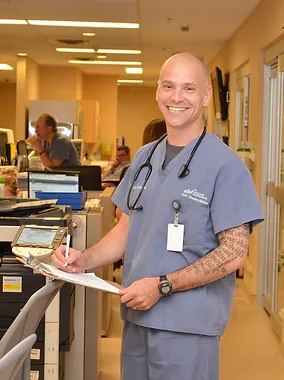
Tim Holland (he/they) works as a family physician at Sipekne'katik Health Centre and Newcomer Health Clinic in Nova Scotia. He is a co-founder of the Sipekne'katik Treatment and Recovery (STAR) program and continues to provide opioid replacement therapy and addiction treatment through his work with the Sipekne'katik First Nation. He is a co-founder of the Newcomer Health Clinic and is the current Medical Director. He is also Head of the Bioethics Department at Dalhousie University.
Dr. Tim Holland (Co-Chair)
Tim Holland (he/they) works as a family physician at Sipekne'katik Health Centre and Newcomer Health Clinic in Nova Scotia. He is a co-founder of the Sipekne'katik Treatment and Recovery (STAR) program and continues to provide opioid replacement therapy and addiction treatment through his work with the Sipekne'katik First Nation. He is a co-founder of the Newcomer Health Clinic and is the current Medical Director. He is also Head of the Bioethics Department at Dalhousie University.
Dr. Tim Holland (Co-Chair)
Tim Holland (he/they) works as a family physician at Sipekne'katik Health Centre and Newcomer Health Clinic in Nova Scotia. He is a co-founder of the Sipekne'katik Treatment and Recovery (STAR) program and continues to provide opioid replacement therapy and addiction treatment through his work with the Sipekne'katik First Nation. He is a co-founder of the Newcomer Health Clinic and is the current Medical Director. He is also Head of the Bioethics Department at Dalhousie University.

Philip Leger
Phil is a family physician working primarily as a locum physician serving the northern Indigenous communities of Quebec and Ontario. He is a member of the policy committee of the Canadian Society of Addiction Medicine and was the lead author of its policy brief in support of decriminalization of drug possession for personal use, which was endorsed by the Canadian Medical Association, the College of Family Physicians of Canada, and the Canadian Association of Emergency Physicians.
Philip Leger
Phil is a family physician working primarily as a locum physician serving the northern Indigenous communities of Quebec and Ontario. He is a member of the policy committee of the Canadian Society of Addiction Medicine and was the lead author of its policy brief in support of decriminalization of drug possession for personal use, which was endorsed by the Canadian Medical Association, the College of Family Physicians of Canada, and the Canadian Association of Emergency Physicians.

Sara Davidson
As Medical Director of River Stone Recovery Centre, Dr. Davidson has overseen a 5 year pilot project funded by Health Canada to address the toxic, unregulated drug supply by providing injectable opioid agonist therapy, in addition to oral options, and medications to address stimulant use disorder. She continues to advocate for change for factors undermining health, working towards adequate housing, social connection, and harm reduction approaches to care. She is involved in supporting medical students to gain competencies in addressing the socioeconomic, legal, and ethical aspects of healthcare through her role at Dalhousie University medical school. She also provides primary care to patients in downtown Fredericton, including people experiencing homelessness.
Sara Davidson
As Medical Director of River Stone Recovery Centre, Dr. Davidson has overseen a 5 year pilot project funded by Health Canada to address the toxic, unregulated drug supply by providing injectable opioid agonist therapy, in addition to oral options, and medications to address stimulant use disorder. She continues to advocate for change for factors undermining health, working towards adequate housing, social connection, and harm reduction approaches to care. She is involved in supporting medical students to gain competencies in addressing the socioeconomic, legal, and ethical aspects of healthcare through her role at Dalhousie University medical school. She also provides primary care to patients in downtown Fredericton, including people experiencing homelessness.
Sara Davidson
As Medical Director of River Stone Recovery Centre, Dr. Davidson has overseen a 5 year pilot project funded by Health Canada to address the toxic, unregulated drug supply by providing injectable opioid agonist therapy, in addition to oral options, and medications to address stimulant use disorder. She continues to advocate for change for factors undermining health, working towards adequate housing, social connection, and harm reduction approaches to care. She is involved in supporting medical students to gain competencies in addressing the socioeconomic, legal, and ethical aspects of healthcare through her role at Dalhousie University medical school. She also provides primary care to patients in downtown Fredericton, including people experiencing homelessness.

Monty Ghosh
Monty Ghosh is an Internist and Addiction Specialist who works in Edmonton and in Calgary. He works with multiple community based not for profit organizations to provide support for marginalized populations. He also helps foster and create unique programs to support those living with substance use, experiencing homelessness, and with other vulnerabilities. He is an assistant professor at both The University of Alberta and the University of Calgary. He is heavily involved with provincial policy building in Alberta, as well as with research and is the primary receipient of grants from Health Canada, Alberta Innovates, Alberta Health, and the Canadian Institute of Health Research.
Monty Ghosh
Monty Ghosh is an Internist and Addiction Specialist who works in Edmonton and in Calgary. He works with multiple community based not for profit organizations to provide support for marginalized populations. He also helps foster and create unique programs to support those living with substance use, experiencing homelessness, and with other vulnerabilities. He is an assistant professor at both The University of Alberta and the University of Calgary. He is heavily involved with provincial policy building in Alberta, as well as with research and is the primary receipient of grants from Health Canada, Alberta Innovates, Alberta Health, and the Canadian Institute of Health Research.
Monty Ghosh
Monty Ghosh is an Internist and Addiction Specialist who works in Edmonton and in Calgary. He works with multiple community based not for profit organizations to provide support for marginalized populations. He also helps foster and create unique programs to support those living with substance use, experiencing homelessness, and with other vulnerabilities. He is an assistant professor at both The University of Alberta and the University of Calgary. He is heavily involved with provincial policy building in Alberta, as well as with research and is the primary receipient of grants from Health Canada, Alberta Innovates, Alberta Health, and the Canadian Institute of Health Research.
Dr. Sarah Elliott
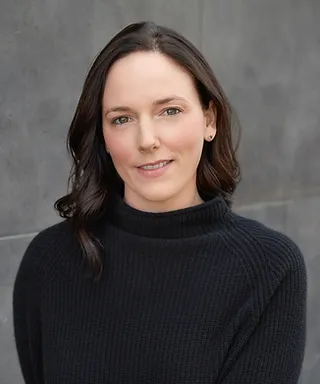
Sarah Elliott (She/Her) is a family doctor focused on inner city health in Calgary. She completed a Master’s in Public Health at the University of Toronto, prior to pursuing a career in medicine. She completed her Family Medicine training at St. Joseph’s Health Centre in Toronto in 2018 and an Enhanced Skill Program in Addiction Medicine in Calgary in 2019. She currently practices addiction and family medicine serving inpatient, community health centre and shelter patient populations in Calgary. Sarah works in Calgary, Treaty 6 and 7 territory - the ancestral and traditional territory of the Cree, Dene, Blackfoot, Saulteaux, Nakota Sioux, as well as the Métis who's footsteps have marked our lands for centuries. Working in Calgary I wish to acknowledge and pay tribute to the traditional territories of the people of Treaty 7, which include the Blackfoot Confederacy (comprised of the Siksika, the Piikani, and the Kainai First Nations), the Tsuut’ina First Nation, and the Stoney Nakoda (including Chiniki, Bearspaw, and Goodstoney First Nations). The City of Calgary is also home to the Métis Nation of Alberta (Districts 5 and 6).
Dr. Sarah Elliott
Sarah Elliott (She/Her) is a family doctor focused on inner city health in Calgary. She completed a Master’s in Public Health at the University of Toronto, prior to pursuing a career in medicine. She completed her Family Medicine training at St. Joseph’s Health Centre in Toronto in 2018 and an Enhanced Skill Program in Addiction Medicine in Calgary in 2019. She currently practices addiction and family medicine serving inpatient, community health centre and shelter patient populations in Calgary. Sarah works in Calgary, Treaty 6 and 7 territory - the ancestral and traditional territory of the Cree, Dene, Blackfoot, Saulteaux, Nakota Sioux, as well as the Métis who's footsteps have marked our lands for centuries. Working in Calgary I wish to acknowledge and pay tribute to the traditional territories of the people of Treaty 7, which include the Blackfoot Confederacy (comprised of the Siksika, the Piikani, and the Kainai First Nations), the Tsuut’ina First Nation, and the Stoney Nakoda (including Chiniki, Bearspaw, and Goodstoney First Nations). The City of Calgary is also home to the Métis Nation of Alberta (Districts 5 and 6).
Dr. Sarah Elliott
Sarah Elliott (She/Her) is a family doctor focused on inner city health in Calgary. She completed a Master’s in Public Health at the University of Toronto, prior to pursuing a career in medicine. She completed her Family Medicine training at St. Joseph’s Health Centre in Toronto in 2018 and an Enhanced Skill Program in Addiction Medicine in Calgary in 2019. She currently practices addiction and family medicine serving inpatient, community health centre and shelter patient populations in Calgary. Sarah works in Calgary, Treaty 6 and 7 territory - the ancestral and traditional territory of the Cree, Dene, Blackfoot, Saulteaux, Nakota Sioux, as well as the Métis who's footsteps have marked our lands for centuries. Working in Calgary I wish to acknowledge and pay tribute to the traditional territories of the people of Treaty 7, which include the Blackfoot Confederacy (comprised of the Siksika, the Piikani, and the Kainai First Nations), the Tsuut’ina First Nation, and the Stoney Nakoda (including Chiniki, Bearspaw, and Goodstoney First Nations). The City of Calgary is also home to the Métis Nation of Alberta (Districts 5 and 6).
Dr. Danielle Kaardal
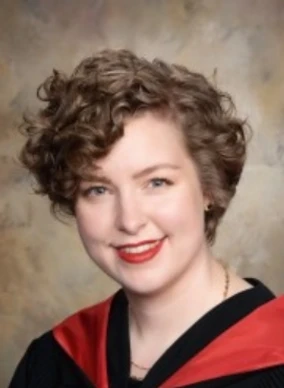
Danielle Kaardal (She/Her) is a Resident Physician in the Department of Psychiatry at the University of Manitoba with an interest in addictions medicine. She believes the lives of people who use drugs are inherently valuable and wants to end their criminalization. Danielle resides on Treaty One Territory, as well as in the heartland of the Métis people.
Dr. Danielle Kaardal
Danielle Kaardal (She/Her) is a Resident Physician in the Department of Psychiatry at the University of Manitoba with an interest in addictions medicine. She believes the lives of people who use drugs are inherently valuable and wants to end their criminalization. Danielle resides on Treaty One Territory, as well as in the heartland of the Métis people.

Neha Khanna
Neha Khanna